


Every year, thousands of travellers ask one burning question before July hits — should I go to Uttarakhand in monsoon or not?
The answer is not a simple yes or no. Uttarakhand in monsoon is one of the most dramatic, beautiful, and misunderstood travel experiences in India. The mountains turn impossibly green. Waterfalls appear out of nowhere. The air smells of wet pine and earth. But at the same time, landslides are real, roads close without warning, and flash floods can disrupt even the best-planned Uttarakhand travel package.
So is it a risky mistake or the trip of a lifetime?
This blog breaks it all down honestly — the risks, the rewards, the best places, the safety rules, and how to pick the right Uttarakhand tour package for the monsoon season.
What Is Monsoon Season in Uttarakhand?
Monsoon in Uttarakhand officially runs from late June to mid-September. The state receives heavy rainfall during this season, making sightseeing and tourism tricky at times. The intensity varies by region — lower areas like Rishikesh and Haridwar get moderate rain, while higher zones like Kedarnath, Badrinath, and Pithoragarh see heavy and unpredictable downpours.
Monsoon Month-by-Month Breakdown:
- June (late): Monsoon begins. Roads still largely open. Good window for trekking.
- July: Peak monsoon. Valley of Flowers blooms. Landslide risk highest.
- August: Heavy rains continue. Flash floods, road blockages, and yatra suspensions make travel in this month the most challenging.
- September (early): Rains begin to ease. A sweet transition period for travellers.
The Real Risks: What Nobody Tells You Before You Book
Let’s be honest about the dangers before getting to the beautiful part.
1. Landslides and Road Closures
Every year, floods and landslides in Uttarakhand become serious issues in certain regions. Heavy rainfall causes rivers to overflow and hillsides to become unstable, especially in parts of Chamoli, Pithoragarh, Uttarkashi, and Rudraprayag.
2. Flash Floods
Flood conditions in Uttarakhand often affect low-lying areas and roads near rivers. Landslide-prone zones may experience temporary closures.
3. High-Altitude Health Risks
Acute Mountain Sickness (AMS) may occur above 3,000 metres, and monsoon-induced hazards include flooding rivers, slippery trekking trails, and leech-infested forests.
4. Yatra Route Closures
Kedarnath and Badrinath carry a risk of route closure due to rain, and even places like Mussoorie and Rishikesh are prone to landslides and river surges during peak monsoon.
The Rewards: Why Monsoon Uttarakhand Is Breathtaking
Now for the other side of the story — and this is where it gets genuinely exciting.
1. Valley of Flowers — Only Open in Monsoon
This UNESCO World Heritage Site is accessible only during monsoon. July and August are peak bloom time for the Valley of Flowers, with rare Himalayan flora including blue poppy, cobra lily, Himalayan balsam, and Brahma Kamal.
2. Waterfalls Everywhere
Monsoon transforms Uttarakhand into a landscape of hundreds of cascading waterfalls. Kempty Falls, Bhatta Falls, and countless unnamed streams fill up and create scenes you simply cannot photograph at any other time of year.
3. Zero Crowds
This is one of the biggest hidden benefits of a monsoon Uttarakhand travel package. The temples, trails, and hill towns are nearly empty. No queues at Kedarnath. No traffic jams on the Mussoorie highway. Just you and the mountains.
4. Lower Prices on Uttarakhand Tour Packages
Monsoon is the off-season, which means hotels, resorts, and eUttarakhand packages are significantly cheaper — sometimes 30 to 50 percent less than summer or winter rates.
5. Lush Green Beauty
Uttarakhand transforms into a living canvas during monsoon — verdant forests, misty peaks, gushing waterfalls, and rare Himalayan flora give the mountains a completely different personality.
Best Places to Visit in Uttarakhand During Monsoon
Not every destination is equally safe or enjoyable during the rains. Here is a curated list based on accessibility and experience:
Safe and Recommended:
- Valley of Flowers, Chamoli — Peak season is July-August. Combine with Hemkund Sahib.
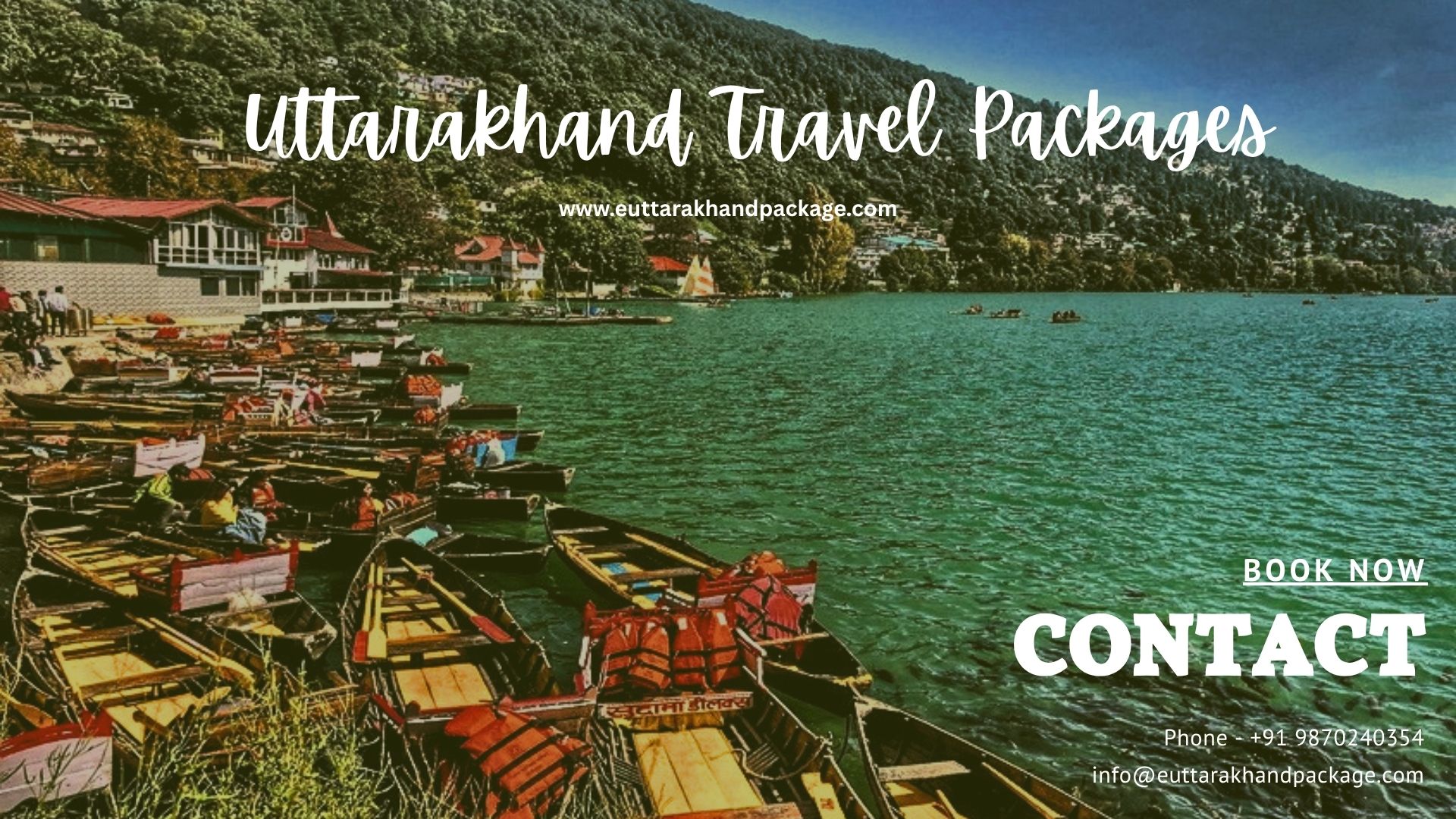
- Nainital — The lake town looks stunning in monsoon. Rain enhances the atmosphere.
- Lansdowne — A quiet, underrated hill station that stays accessible and beautiful.
- Mukteshwar — Apple orchards, mist, and peaceful trails make it a perfect monsoon escape.
- Rishikesh — Lower town is generally safe; spiritual activities continue through the season.
- Dehradun — The capital city remains accessible and vibrant during monsoon.
- Chakrata — Offbeat, less touristy, and stunningly green in July-August.
Approach with Caution (High-Risk in Monsoon):
- Kedarnath and Badrinath — Yatra may be suspended; always check official updates.
- Pithoragarh and Munsiyari — Remote roads prone to closure.
- Uttarkashi — Flash flood risk is high in certain pockets.
Best Monsoon Treks in Uttarakhand
Trekking does not stop in monsoon — it just changes character. Monsoon treks in Uttarakhand are not just about adventure — they’re about awakening your senses to the raw beauty of the Himalayas.
Top Monsoon Treks:
- Valley of Flowers Trek — 4,432m altitude. Only possible in July-August. World-famous for wildflowers.
- Hemkund Sahib Trek — Trek through rain-fed forests and reach the tranquil Hemkund Lake, reflecting grey skies and snow-clad mountains.
- Nag Tibba Trek — Beginner-friendly. Safe in monsoon. Rewarding views.
- Dayara Bugyal — High-altitude meadow trek. Excellent in July for flowers and greenery.
- Chopta-Tungnath Trek — Misty forest trail to the highest Shiva temple in the world.
Safety Rules: How to Travel Smart on a Monsoon Uttarakhand Tour Package
If you are booking a Uttarakhand Tour Package in monsoon, follow these non-negotiable rules:
- Check weather alerts daily. The government provides advisories and weather alerts — follow them closely. Avoid travelling during red or orange weather warnings.
- Never travel solo in remote areas during heavy rain.
- Always book a package with a local, experienced operator who has on-ground contacts and can reroute your trip if needed.
- Carry a good rain kit — waterproof bags, trekking shoes with grip, poncho, quick-dry clothes.
- Do not venture into prohibited or dangerous areas. Follow the instructions of local authorities and trekking guides.
- Buy travel insurance that covers natural calamities and trip cancellations.
- Have buffer days in your itinerary. A landslide can delay plans by 1-2 days easily.
- Keep emergency numbers saved — SDRF Uttarakhand, local police, your hotel contact.
What to Pack for a Monsoon Uttarakhand Travel Package
- Waterproof trekking shoes or boots
- Rain poncho or good quality raincoat
- Quick-dry clothing (avoid cotton — it stays wet)
- Insect repellent (leeches are common on forest trails)
- Power bank and extra torch
- Basic first-aid kit with ORS and anti-nausea tablets
- Ziplock bags to protect documents, phone, and camera
How to Choose the Right eUttarakhand Package for Monsoon
With so many options online, choosing the right eUttarakhand package for monsoon travel requires a few key checks:
What a Good Package Should Include:
- Flexible itinerary with buffer days built in
- Accommodation with confirmed bookings (many hotels close in off-season)
- Local guide familiar with monsoon conditions
- Clear cancellation and rescheduling policy due to weather
- Ground transport with experienced mountain drivers
- Mentions of alternate routes or destinations in case of closures
What to Avoid:
- Packages that promise Kedarnath or Badrinath without a weather clause
- Operators who do not have local contacts or ground teams
- Fixed rigid itineraries with no room for changes
- Extremely cheap packages that cut corners on accommodation or safety
Ideal Package Duration: 5 to 7 nights is ideal for a monsoon trip. Enough time to absorb the beauty without getting stuck if roads close for a day or two.
Sample 6-Night Monsoon Uttarakhand Travel Package Itinerary
| Day | Destination | Key Experience |
| Day 1 | Delhi to Rishikesh | Evening Ganga Aarti, river views in rain |
| Day 2 | Rishikesh to Chopta | Misty forest drive, Tungnath evening walk |
| Day 3 | Chopta | Chandrashila sunrise trek |
| Day 4 | Chopta to Joshimath | Valley views, overnight base for VOF |
| Day 5 | Valley of Flowers | Full day trek into the flower valley |
| Day 6 | Hemkund Sahib | Spiritual high-altitude lake visit |
| Day 7 | Return to Rishikesh/Delhi | Departure |
Frequently Asked Questions
Q. Is Uttarakhand safe to visit in monsoon?
Yes, if you plan carefully, choose the right destinations, and book a flexible Uttarakhand tour package with a reliable operator. Avoid high-risk zones like Kedarnath road and Pithoragarh during peak July-August rains.
Q. Which is the best month for a monsoon Uttarakhand travel package?
Late June and the first half of September offer the best balance — some greenery without the full intensity of monsoon risk. July is best specifically for Valley of Flowers.
Q. Is Valley of Flowers only accessible in monsoon?
Yes. The valley is open only from June end to October, with July and August being the best months for wildflower bloom.
Q. Are eUttarakhand packages cheaper in monsoon?
Yes. Monsoon is the off-season so most eUttarakhand packages are priced significantly lower than peak summer or winter rates.
Q. Can families with children visit Uttarakhand in monsoon?
Yes, for family-friendly destinations like Nainital, Mukteshwar, Lansdowne, and Rishikesh. Avoid high-altitude treks and remote areas with young children during heavy rains.
Conclusion
Uttarakhand in monsoon is neither a flat-out risky mistake nor a guaranteed trip of a lifetime — it is entirely what you make of it.
If you walk in unprepared, booking a rigid Uttarakhand tour package with no flexibility, heading to high-risk zones during peak rains — it can be genuinely dangerous.
But if you plan smart, choose the right destinations, book a reliable EUttarakhand Package with an experienced local operator, and embrace the unpredictability of the hills — monsoon Uttarakhand is one of the most raw, beautiful, and crowd-free travel experiences India has to offer.
The mountains are waiting. The waterfalls are roaring. The Valley of Flowers is in full bloom.
The only question left is — are you ready?